Skip to content


Table of Contents
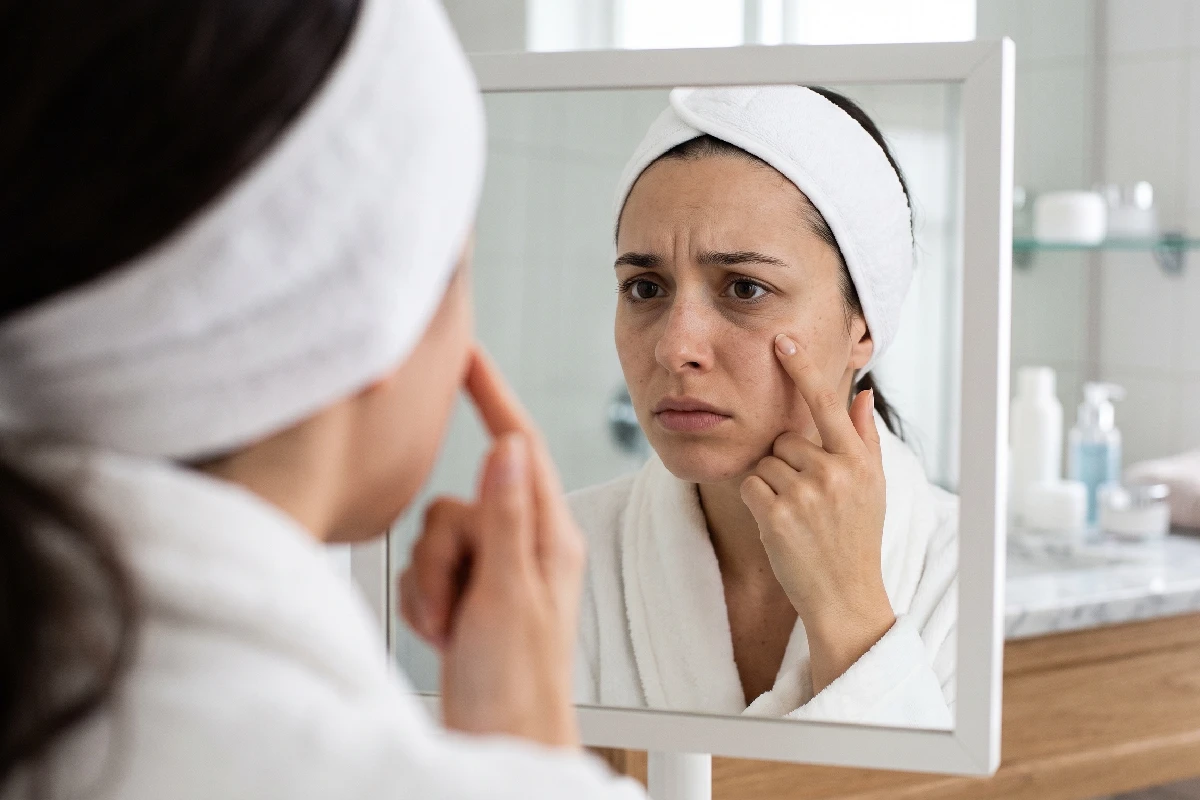
If you have noticed a forehead crease deepening every time you raise your eyebrows, or lines around your eyes and mouth that seem to be sticking around longer than they used to, you are dealing with something that has a real, identifiable cause. Understanding what is actually driving those lines makes a real difference in what will help.
At Outer Banks Dermatology, wrinkle reduction is not one single treatment, it is a category of options, and knowing which one addresses your specific lines is the first step toward a plan that actually works.
How Can Wrinkle Reduction Soften Deep Forehead Furrows And Expression Lines?
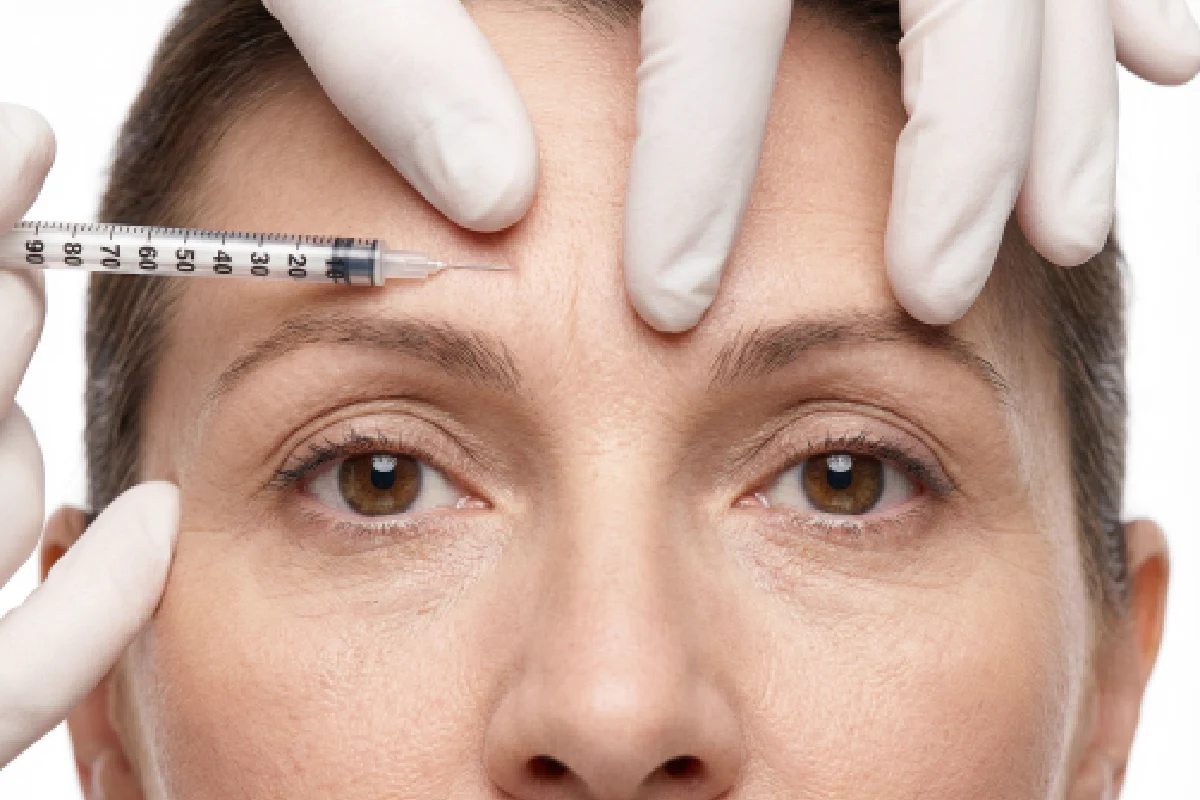
Wrinkle reduction primarily works through neuromodulators, which relax the specific muscles responsible for forehead furrows and other expression-driven lines. For deeper, more established creases that involve volume loss, options like dermal fillers or Sculptra provide structural support in addition to muscle relaxation.
Why Forehead Furrows and Expression Lines Form and Deepen Over Time
Forehead furrows and expression lines start the same basic way, through repeated muscle movement. Raising your eyebrows or squinting thousands of times over the years gradually creates a crease in the skin above the muscle doing the work.
At first, these lines only show up during expression. With enough repetition, though, they can become visible even when your face is completely at rest, which is when a dynamic line becomes a more established furrow. A few factors tend to speed up this process:
- Sun exposure and UV damage
- Dehydration and reduced skin elasticity
- Natural collagen decline with age
This is part of why smoothing forehead creases and eye wrinkles often becomes relevant sooner than people expect.
What Wrinkle Reduction Actually Involves
Wrinkle reduction is not a single treatment, and that distinction actually matters for answering the title accurately. At Outer Banks Dermatology, this category includes several distinct options:
- Neuromodulators, which relax muscles that cause dynamic lines
- Dermal fillers, which restore volume in deeper creases
- Sculptra, which stimulates gradual collagen production
- Radiesse, which provides volume and structure for moderate to severe wrinkles
- Morpheus8, which combines microneedling and radiofrequency for tightening
The right choice depends on whether your lines are primarily movement driven or have become deeper, more structural creases involving lost volume. This is exactly why addressing forehead furrows and reducing facial expression lines effectively starts with identifying which type of line you actually have, not applying the same treatment to every wrinkle.
How Neuromodulators Soften Forehead Furrows
This answers the first half of the title’s question, since forehead furrows are typically dynamic, expression driven lines. Neuromodulators work by relaxing the specific muscle responsible for raising the eyebrows and creating those horizontal forehead lines.
Relaxing that muscle reduces the repeated movement that causes the furrow to form and deepen further over time. Results typically appear within a matter of days, and they generally last three to four months before treatment needs to be repeated, which is central to restoring youthful forehead contours without more invasive intervention.
How Treatment Addresses Broader Expression Lines
This addresses the second half of the title’s question, covering lines beyond the forehead that may call for a different approach. Expression lines around the eyes, including what many patients describe as crow’s feet treatment in Nags Head, NC, and around the mouth often respond well to neuromodulators too, since they share a similar movement driven cause.
Deeper, more established lines that involve actual volume loss, like nasolabial folds, tend to benefit more from dermal fillers or Sculptra instead. This is where reducing nasolabial folds and lax facial skin calls for a structural approach rather than muscle relaxation alone. Combining approaches is sometimes appropriate when both muscle movement and volume loss are contributing to the same area, which a provider can assess directly.
How These Approaches Work Together for Overall Improvement
Addressing both dynamic movement and structural volume loss, when both are present, supports a more complete improvement than relying on one treatment alone. Results build differently depending on which approach is used:
- Neuromodulators soften muscle-driven lines within days
- Collagen based options like Sculptra develop more gradually over weeks and months
- A personalized plan accounts for which specific lines are present and what is actually driving them
This matters just as much for reducing fine lines around eyes as it does for deeper forehead furrows.
Who Tends to Be a Good Candidate
Wrinkle reduction tends to work best for patients dealing with a few common patterns:
- Forehead lines, crow’s feet, or other expression driven creases caused by repeated movement
- Deeper, more established lines involving volume loss, which may need a combination approach
- A genuine interest in matching treatment type to the specific cause of their lines, rather than a single generic option
A skin assessment is genuinely the clearest way to determine which specific option, or combination, fits your particular lines, rather than guessing based on general symptoms alone.
Frequently Asked Questions
How long do results typically last?
Results vary by treatment. Neuromodulators generally last three to four months, while volumizing options like Sculptra can offer improvement lasting from several months to over a year.
Are these treatments painful?
Most treatments cause only mild discomfort, and numbing options are available to help keep you comfortable during your session.
Can different treatments be combined?
Yes. Combining neuromodulators with dermal fillers or other volumizing options can enhance overall results when both muscle movement and volume loss are contributing to the same area.
How do I know which treatment is right for me?
Our dermatology team evaluates your specific lines and skin during a consultation, then recommends a personalized plan based on what is actually causing your forehead furrows or expression lines.
Ready to Address Your Specific Lines?
Forehead furrows and expression lines can feel like the same general problem, but they usually come from different underlying causes, which means the right treatment depends on identifying what is actually happening in your skin. Getting that assessment right is what makes the difference between a treatment plan that works and one that misses the mark.
At Outer Banks Dermatology in Nags Head, NC, our team evaluates your specific lines before recommending a treatment plan, so the approach genuinely fits what your skin needs. If you’re ready to talk it through, contact us today.
Schedule your wrinkle reduction consultation and take the first step toward smoother, more refreshed looking skin.