Skip to content

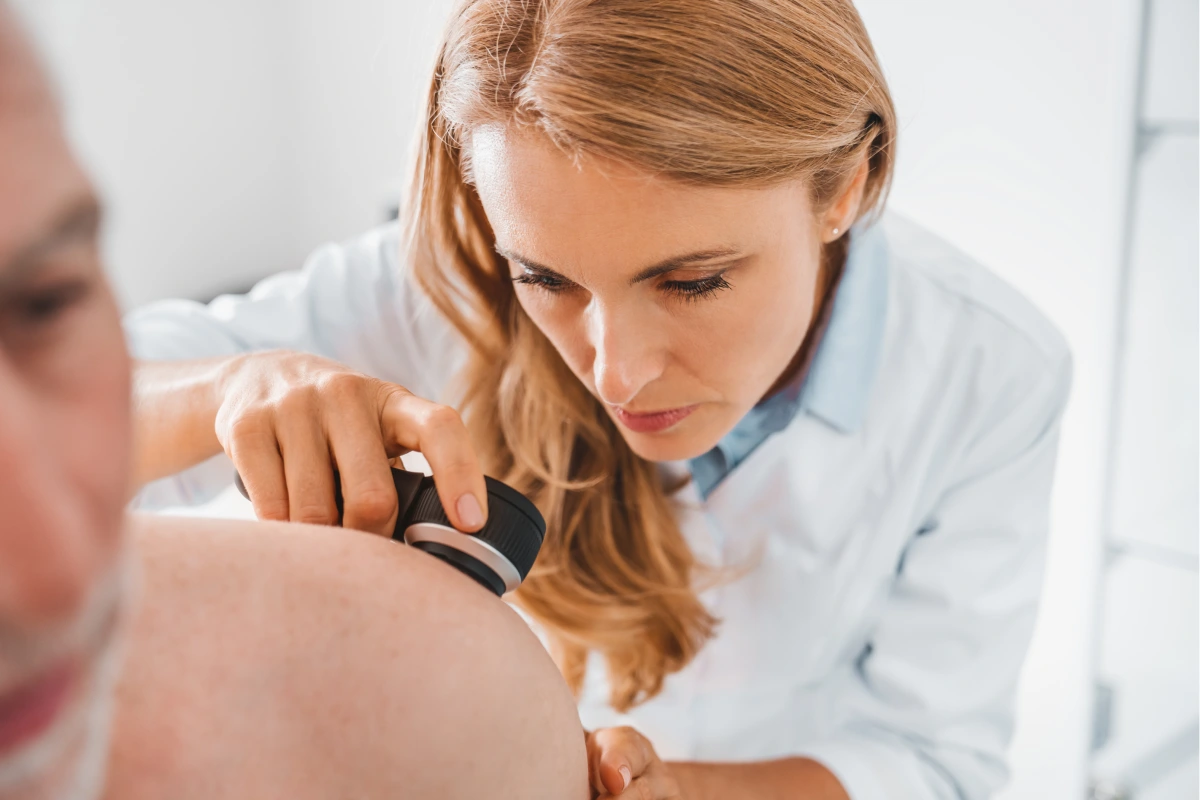
Table of Contents
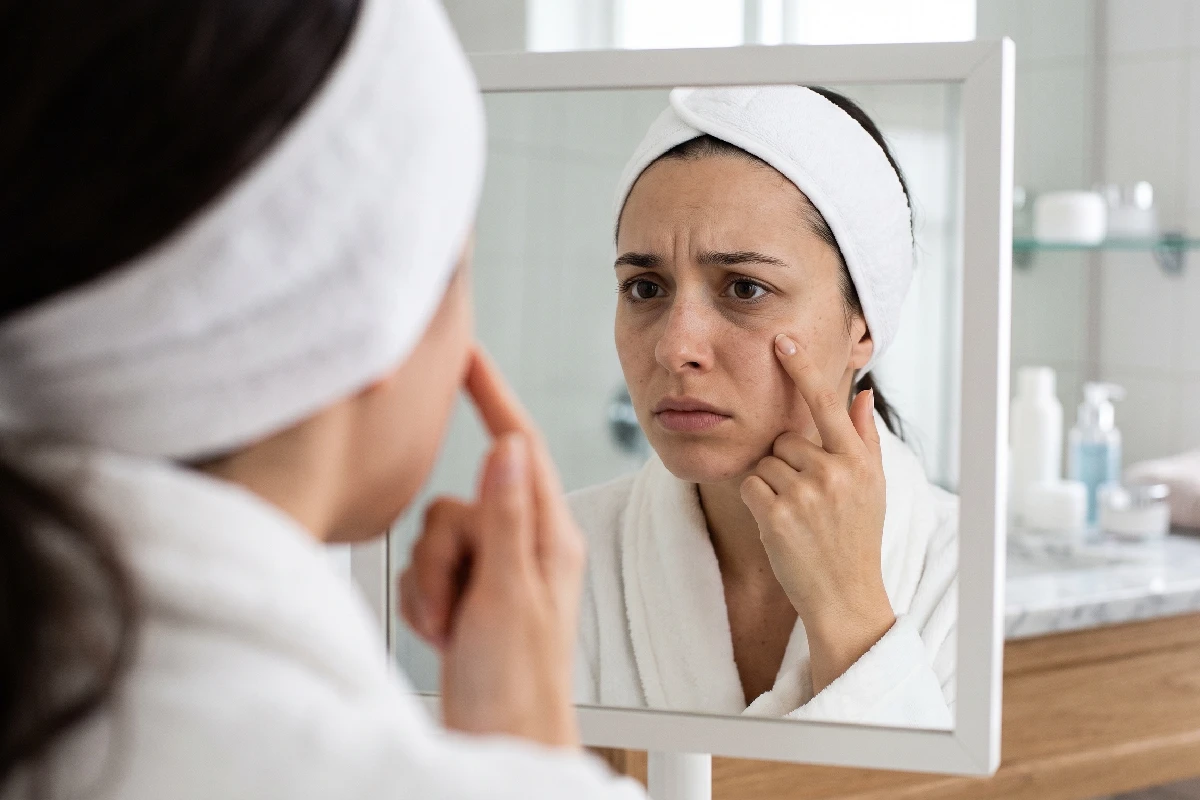
Most cuts, scrapes, and irritated spots heal on their own within a couple of weeks. When a spot keeps lingering well past that point, especially one that bleeds a little, crusts over, or never quite closes, it is worth paying attention to rather than assuming it will eventually resolve on its own.
At Outer Banks Dermatology, this kind of persistent spot is one of the more common reasons patients come in for an evaluation. This article covers why a non-healing spot can be a meaningful warning sign, when it may call for a skin cancer treatment evaluation, and what that process actually involves.
When Does A Spot That Won’t Heal Need A Skin Cancer Evaluation?
A spot that has not healed within three to four weeks, particularly one that bleeds, crusts repeatedly, or changes in size or color, is generally worth having examined by a provider. Not every persistent spot turns out to be skin cancer, but a professional evaluation is the only reliable way to know for sure.
Why a Non-Healing Spot Can Be a Meaningful Warning Sign
Most minor skin injuries, including small cuts or irritated patches, tend to heal within a couple of weeks with basic care. A spot that persists well beyond that, especially one that bleeds intermittently or keeps crusting over without ever fully closing, may point to something other than a normal healing wound.
This distinction matters because certain types of skin cancer, particularly basal cell carcinoma and squamous cell carcinoma, can present exactly this way, as a sore that refuses to heal rather than the more commonly recognized changing mole. Recognizing this pattern is often the first step toward catching something early.
When Does a Spot Actually Warrant a Skin Cancer Evaluation?
A spot lasting longer than three to four weeks without healing is generally a reasonable point to have it looked at by a provider. A few additional signs add further reason for evaluation:
- Bleeding that occurs without an obvious cause or injury
- Repeated crusting or scabbing that never fully resolves
- Tenderness in the area, or a noticeable change in size or color over time
Not every persistent spot turns out to be skin cancer. Still, a professional evaluation is the only way to know for certain, rather than waiting to see whether it eventually improves on its own.
What a Skin Cancer Evaluation Actually Involves
A skin cancer evaluation typically starts with a visual examination of the spot and the surrounding skin, sometimes using a dermatoscope to get a closer look at the area. If something appears suspicious, your provider may recommend a biopsy for suspicious skin lesions, which involves removing a small tissue sample to be examined in a lab.
Many evaluations end in reassurance rather than a cancer diagnosis, which is exactly why getting a spot checked early is worth doing rather than putting it off out of concern for what might be found. Knowing one way or the other tends to bring more peace of mind than continuing to wonder.
How This Differs From Other Common Skin Changes
It helps to understand how a non-healing spot compares to other, less concerning skin changes:
- Common moles, age spots, and minor irritations typically do not persist as open or unhealed sores
- A changing mole, marked by asymmetry, an irregular border, or shifting color, is a different type of warning sign from a sore that won’t heal, though both are worth having examined
- When in doubt about any persistent or unusual skin change, scheduling an evaluation is the more reasonable next step than trying to guess based on appearance alone
This distinction is part of why reducing age-related skin cancer risk and lesion expansion starts with recognizing which changes genuinely warrant a closer look.
What Happens If Something Concerning Is Found
If a biopsy does confirm skin cancer, treatment options vary depending on the specific type and stage identified. Many skin cancers caught at an early stage are highly treatable, which is a big part of why timely evaluation makes a real difference in outcomes.
Your provider will walk through next steps based on exactly what is found in your specific case, rather than applying a generic outcome to every situation. Options at Outer Banks Dermatology may include managing malignant skin cells through Mohs surgery, surgical excision, or another approach suited to the diagnosis.
Who Should Consider Getting a Spot Evaluated
You may want to schedule an evaluation if you notice:
- A spot or sore that has not healed within three to four weeks
- A personal or family history of skin cancer
- A significant history of sun exposure over the years
Anyone researching suspicious skin lesion evaluation in Nags Head, NC, because of a spot they have been watching should treat that instinct as reason enough to schedule an appointment. When in doubt, getting a professional opinion is a reasonable step rather than waiting to see what happens next.
Frequently Asked Questions
Does a persistent spot always mean skin cancer?
No, many persistent spots turn out to be something less concerning, but an evaluation is the only way to know for certain.
Is a skin cancer evaluation painful?
Most evaluations involve only a visual exam, and if a biopsy is needed, it is typically done under local anesthesia with minimal discomfort.
How often should skin checks happen if there is a history of skin cancer?
Patients with a prior skin cancer diagnosis are generally advised to follow up every six to twelve months to monitor healed areas and check for new spots.
Can a spot that won’t heal be something other than skin cancer?
Yes, some non-healing spots are caused by infections, irritation, or other skin conditions, which is another reason a proper evaluation matters rather than assuming the cause.
Ready to Have a Spot Evaluated?
A spot that won’t heal is worth taking seriously, and getting it evaluated is a straightforward way to find out what is actually going on. Our team at Outer Banks Dermatology can assess your specific concern and walk you through what comes next based on what we find. Contact us with any questions.
Book your skin cancer evaluation today with Outer Banks Dermatology.