Skip to content


Table of Contents
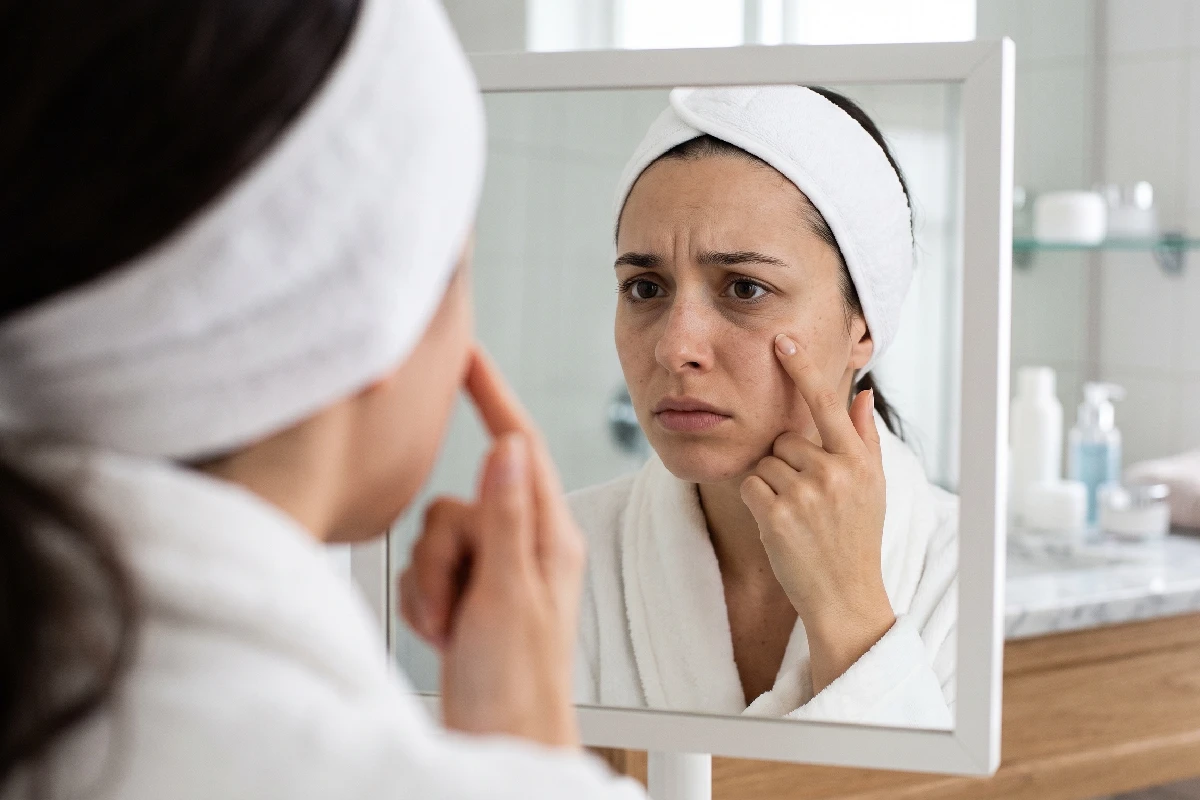
Living with rosacea can feel like riding a wave of uncertainty. Some days your skin feels clear and calm, while others bring unexpected flare-ups of redness and irritation. For the millions affected by this chronic skin condition, the persistent flushing, stinging sensations, and visible blood vessels are more than just skin deep. They can also affect confidence and emotional well-being. Fortunately, understanding your triggers, building a gentle skincare routine, and making healthy lifestyle choices can help reduce flare-ups and support healthier-looking skin. This guide shares practical tips to help you better understand rosacea and manage symptoms at home.
What makes rosacea particularly complex is its highly individual nature. What triggers a flare-up in one person might not affect another. Some people experience mild symptoms that come and go, while others deal with persistent redness and irritation. Understanding your unique triggers and learning how to care for your skin can go a long way toward minimizing flare-ups and improving overall skin health.
Understanding Rosacea: More Than Just Redness
Rosacea is a long-term inflammatory skin condition that mainly affects the face, leading to persistent redness, visible blood vessels, and occasionally small, acne-like bumps. While the exact cause remains unclear, the condition affects millions of adults worldwide. Although it can affect anyone, it is most commonly diagnosed in adults between the ages of 30 and 50.
Rosacea presents differently in each individual, but some of the most common symptoms include:
- Facial Flushing and Persistent Redness: Often appearing across the nose, cheeks, forehead, and chin, this redness may come and go initially but can become more noticeable over time.
- Visible Blood Vessels: Tiny blood vessels beneath the skin’s surface may become more noticeable.
- Bumps and Pimples: These acne-like bumps differ from traditional acne and often require a different management approach.
- Skin Sensitivity: Many people experience burning, stinging, or increased sensitivity to skincare products.
Identifying Your Triggers
One of the most important aspects of managing rosacea is identifying the factors that trigger your flare-ups. Since triggers vary from person to person, keeping a symptom journal can help you recognize patterns over time.
Environmental factors commonly associated with flare-ups include prolonged sun exposure, hot weather, cold winds, sudden temperature changes, and high humidity. Protecting your skin from these conditions can help minimize irritation.
Lifestyle habits can also influence rosacea symptoms. Some individuals notice increased redness after consuming alcohol, particularly red wine, or spicy foods. Vigorous exercise, emotional stress, and very hot beverages may also contribute to facial flushing in some people. Learning your personal triggers allows you to make informed choices that support healthier skin.
Building a Rosacea-Friendly Skincare Routine
A gentle, consistent skincare routine plays an essential role in managing rosacea. The goal is to protect the skin barrier while minimizing irritation.
When choosing skincare products, look for ingredients that help soothe and support sensitive skin, including:
- Niacinamide to help calm visible redness.
- Ceramides to strengthen the skin barrier.
- Green Tea Extract for antioxidant support.
- Hyaluronic Acid to maintain hydration without feeling heavy.
Avoid harsh scrubs, alcohol-based products, heavily fragranced skincare, and aggressive exfoliants, as these may worsen irritation. If symptoms continue despite following a gentle skincare routine, learning more about professional care for rosacea can help you understand when medical evaluation may be appropriate.
When Lifestyle Changes May Not Be Enough
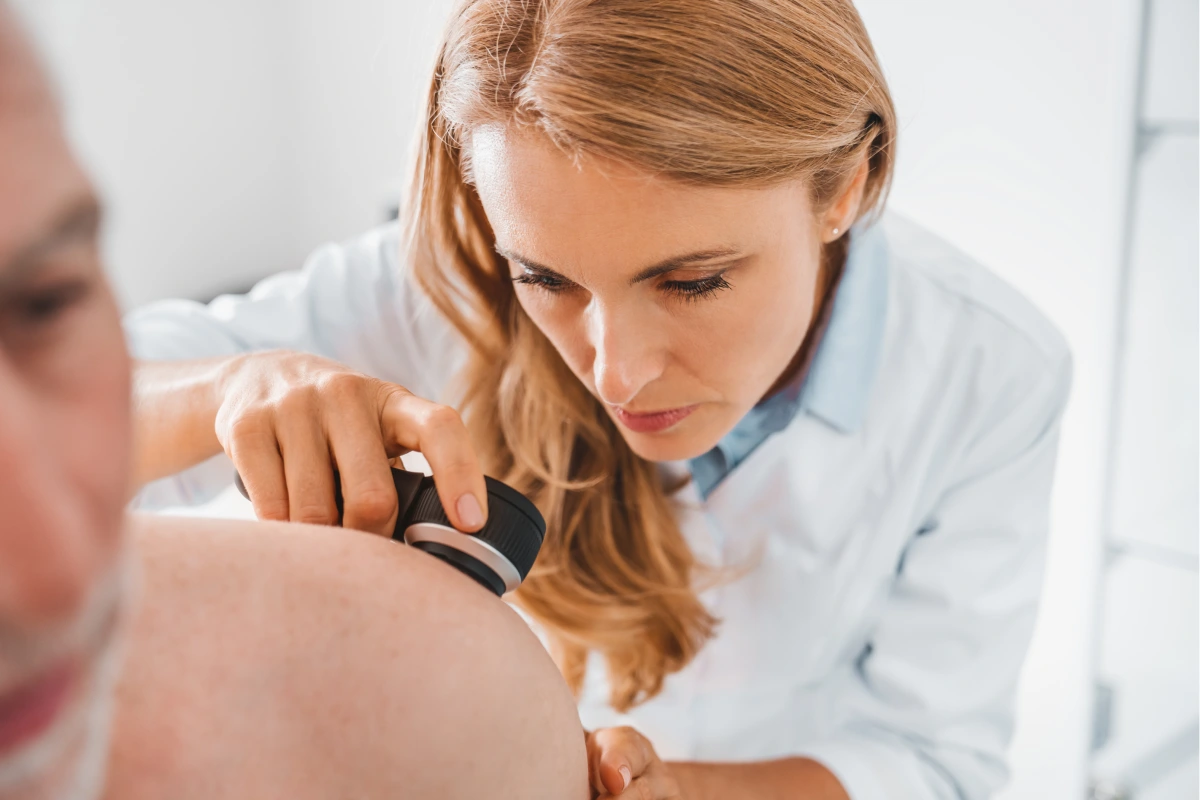
While many people successfully manage rosacea through skincare and lifestyle modifications, some individuals continue to experience persistent symptoms. If redness, bumps, or irritation become more frequent or severe, consulting a dermatologist may help you better understand the condition and explore appropriate medical management options.
Depending on your individual symptoms, a healthcare provider may recommend:
- Topical Medications: Prescription creams or gels that help reduce inflammation and facial redness.
- Oral Medications: Sometimes prescribed for moderate to severe inflammatory rosacea.
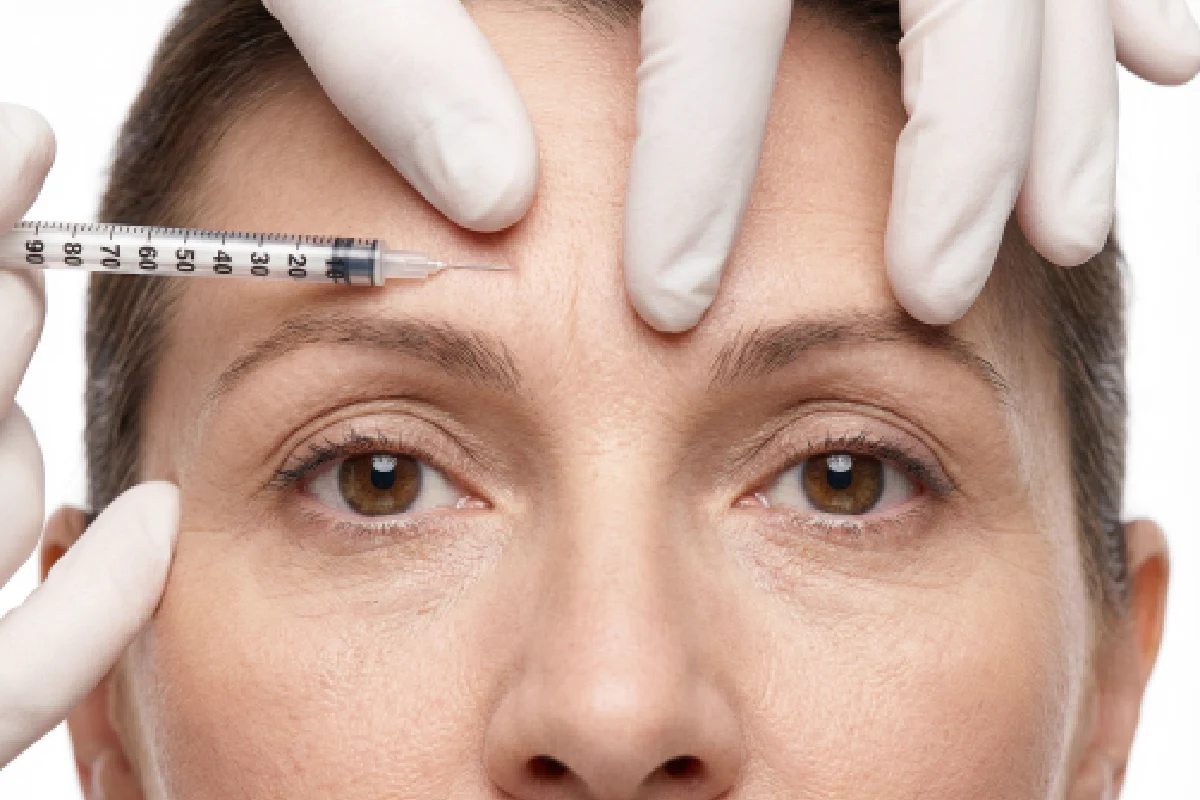
- Laser and Light-Based Therapy: Certain technologies may help reduce visible blood vessels and persistent redness in appropriate candidates.
- Professional Skin Treatments: In some cases, dermatologist-recommended skin treatments may help support sensitive, rosacea-prone skin.
The most appropriate approach depends on your symptoms, skin type, and medical history.
The Impact of Lifestyle Changes
Daily habits can have a meaningful impact on managing rosacea over time. Making small adjustments can help reduce flare-ups and improve overall skin comfort.
Identifying and avoiding your personal triggers, maintaining a gentle skincare routine, protecting your skin from environmental stressors, and managing emotional stress all contribute to healthier-looking skin.
Sun Protection
Daily sun protection is one of the most important steps in caring for rosacea-prone skin. Apply a broad-spectrum sunscreen with SPF 30 or higher every day, preferably one formulated with mineral-based ingredients that are less likely to irritate sensitive skin.
Stress Management
Stress is a common trigger for many individuals with rosacea. Helpful strategies may include:
- Regular meditation or deep breathing exercises
- Gentle yoga or stretching
- Prioritizing adequate sleep
- Taking breaks during stressful periods
Diet Modifications
Although dietary triggers differ for everyone, some people find it helpful to:
- Avoid very hot beverages
- Limit spicy foods
- Reduce alcohol consumption
- Stay well hydrated
Keeping a food journal may help identify ingredients that contribute to flare-ups.
When Should You See a Dermatologist?
If facial redness becomes persistent, symptoms begin interfering with your daily life, or over-the-counter skincare products no longer seem effective, it may be time to seek professional evaluation. Early assessment can help confirm whether rosacea is the cause of your symptoms and determine the most appropriate management strategy based on your individual needs. You can also learn more about how rosacea is treated if you’re interested in understanding the different medical approaches available for long-term symptom management.
Looking Ahead: Long-Term Management
Living with rosacea doesn’t mean giving up confidence in your skin. By understanding your triggers, following a consistent skincare routine, protecting your skin from environmental factors, and making healthy lifestyle choices, many people successfully keep flare-ups under control.
Managing rosacea is an ongoing process rather than a one-time solution. While there is currently no permanent cure, a combination of daily skincare, preventive habits, and medical guidance when needed can significantly reduce symptoms and help prevent them from progressing.
Every case of rosacea is unique, and what works for one person may not work for another. If your symptoms continue despite making lifestyle changes, speaking with a qualified dermatologist can help you better understand your condition and determine the most appropriate options for your skin.
Remember, rosacea is a manageable condition. With patience, consistency, and the right guidance, you can take meaningful steps toward calmer, healthier-looking skin and greater confidence in your daily life.