Skip to content


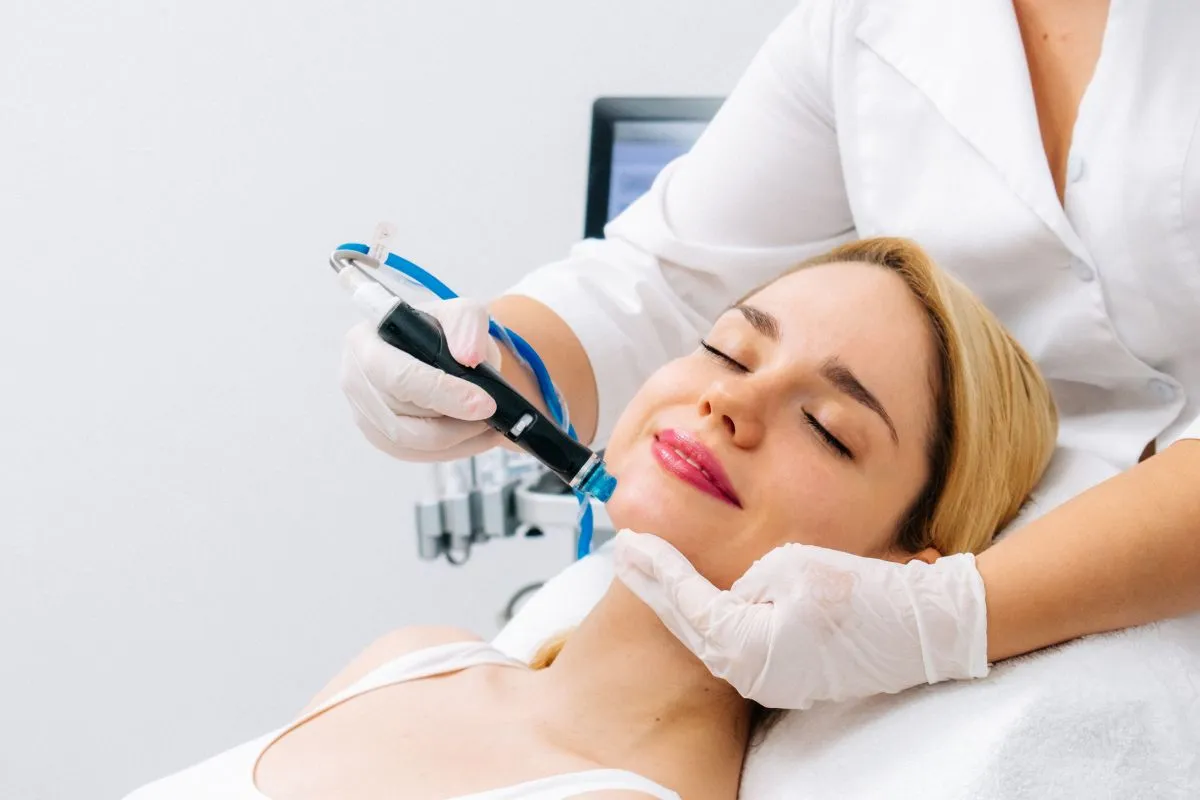
Table of Contents
It’s normal to feel nervous before your first facial. Not knowing what to expect, how it will feel, or what to do during the treatment can be stressful. Many people aren’t sure what to expect during the appointment and may wonder if certain sensations are normal or how interactive the experience should be.
The HydraFacial procedure follows a series of steps designed to cleanse, exfoliate, extract impurities, and hydrate the skin. Understanding how the process works can help remove uncertainty and make it easier to relax during treatment.
Understanding the HydraFacial procedure steps removes the guesswork and allows for actual relaxation during treatment. Here’s a full guide to what happens in each session, how each step feels, and why the process works.
Step 1: Consultation and Skin Assessment
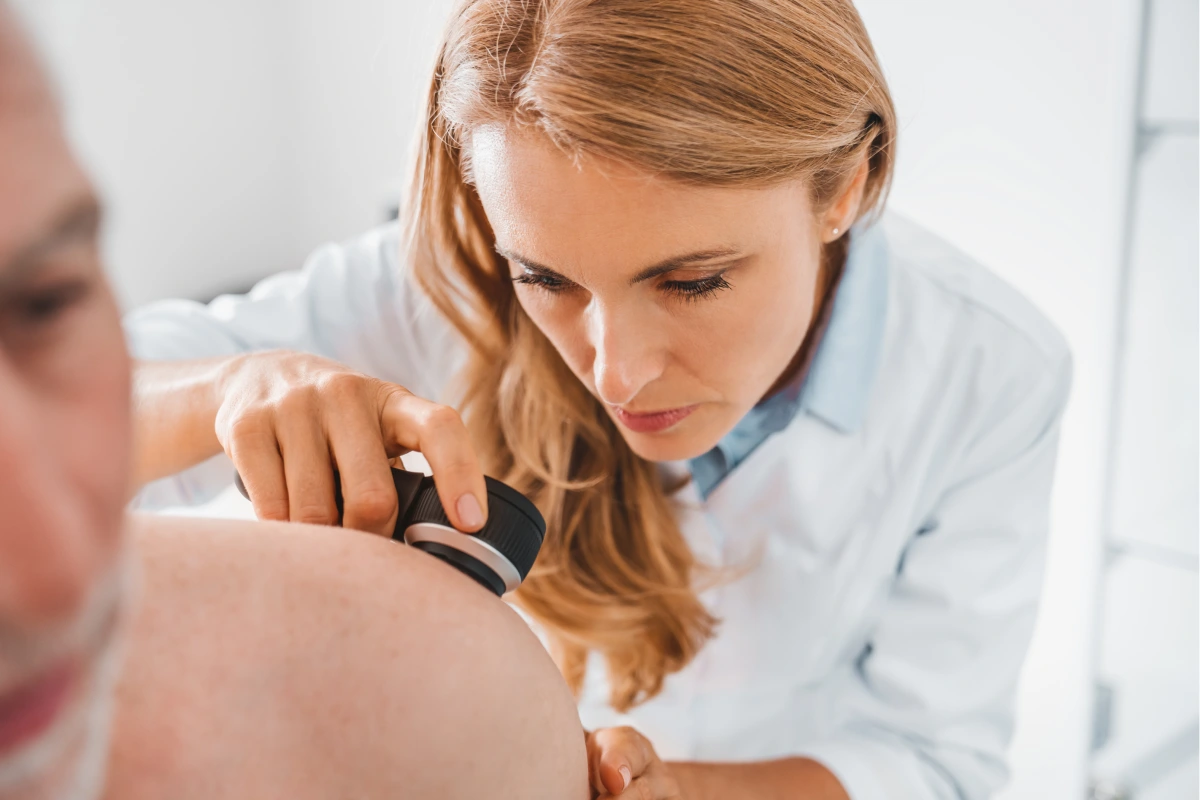
Your HydraFacial begins before the device is used. A skin assessment examines texture, tone, hydration, clogged pores, fine lines, and any sensitivity to identify areas that may need attention.
This discussion helps determine which steps may be appropriate for different skin conditions. The assessment also helps identify which serums or boosters may be suitable for individual skin needs.
Step 2: Cleansing and Light Exfoliation
The process starts with a deep cleanse to remove makeup, sunscreen, and surface oils. This gives your skin a fresh start, allowing the subsequent steps to work evenly.
Next, the device gently exfoliates and uses light suction to remove dead skin and debris without harsh scrubbing. This clears away buildup and helps your skin absorb hydration and active ingredients more effectively.
Step 3: Gentle Acid Peel
The next step is a gentle chemical peel, which is much milder than traditional peels. The formulas used are designed to work quickly and generally do not require significant downtime.
A mix of glycolic and salicylic acids is applied for a short time to loosen dead skin and soften buildup in your pores. Most people feel just a light tingling, and the solution is timed to minimize redness or irritation.
Step 4: Extraction (The Satisfying Part)
Extraction is one of the distinguishing features of this facial procedure. Instead of squeezing or pinching, the extraction process involves vortex suction that gently pulls impurities from the pores without the pressure associated with manual extractions.
The spiral suction tip removes blackheads, whiteheads, and congestion, and feels like gentle suction moving over your face. The skin may appear clearer afterward, especially around the nose, chin, and forehead, and often feels smoother immediately.
Step 5: Intense Hydration and Serum Infusion
After cleansing and extraction, your skin is ready to take in nourishing ingredients. At this stage, concentrated serums containing antioxidants, peptides, and hyaluronic acid are applied to support hydration and skin health.
The device uses vortex technology to infuse these serums into the freshly cleaned skin, with formulas selected according to individual skin needs. This step feels cool and soothing, and your skin may feel plumper and more hydrated before the session is over.
Step 6: Protection and Finishing Touches
The last step helps protect the skin and maintain hydration. Moisturizer and broad-spectrum SPF are applied to shield freshly exfoliated skin, which can be more sensitive to the sun.
From consultation to sun protection, the entire step-by-step process usually takes about 30 to 45 minutes. Sessions may run a bit longer if boosters or LED therapy are added.
What the Skin Looks and Feels Like Immediately After
After the procedure, the difference may be immediately visible. Skin can look brighter, smoother, and noticeably more hydrated. The refreshed appearance is largely associated with the removal of surface buildup and increased skin hydration.
You may notice smoother skin right away, since dead skin and congestion have been removed. Fine lines can appear softer because of the extra hydration, and pores may look cleaner.
Some people experience mild redness or sensitivity after exfoliation, although significant downtime is generally uncommon. Makeup can often be applied shortly afterward, depending on individual skin sensitivity and professional aftercare recommendations.
Results are temporary and commonly last several days, depending on skin type, skincare habits, and environmental factors. The skin gradually returns to its usual condition as natural cell turnover and oil production continue.
Who Is This Best For?
HydraFacial procedures can be suitable for many skin types and ages, depending on individual skin conditions and sensitivities. The combination of cleansing, exfoliation, extraction, and hydration makes the process relevant to several common skin concerns.
You may be a suitable candidate if you:
- Have dull or dehydrated skin
- Deal with clogged pores or acne-prone skin
- Want a non-invasive option for improving the appearance of fine lines
- Have sensitive skin that may benefit from a gentler exfoliation approach
- Want to understand options for improving skin appearance before an event
However, not every treatment is appropriate for every skin condition. Active irritation, certain skin disorders, or sensitivities to specific ingredients may affect treatment suitability. A qualified skincare professional can help determine which procedures and ingredients are appropriate.
Factors That Influence the Treatment Experience
Several factors can influence how the skin responds during and after a HydraFacial procedure.
Skin type, hydration levels, sensitivity, and existing skin concerns can all affect the treatment experience. The choice of exfoliating solutions, serums, and optional boosters may also influence how the skin feels afterward.
The equipment settings and ingredients used should be appropriate for the individual’s skin condition. Understanding these factors helps explain why treatment experiences and visible outcomes can vary from person to person.
Understanding the Process and Its Effects
Knowing what happens during each step removes the mystery and allows for greater relaxation during treatment. The HydraFacial process combines several skincare techniques into one structured procedure.
Predictability is important. Understanding the sequence, how long each step takes, and what sensations may occur can help people feel more comfortable with the process.
The immediate appearance of refreshed, hydrated skin is generally associated with exfoliation, extraction, and serum infusion. However, results vary according to individual skin characteristics, ingredients, and skincare routines.
For personalized guidance about skin concerns, consult a qualified medical professional who can explain appropriate treatment options, potential risks, and aftercare recommendations.