Skip to content

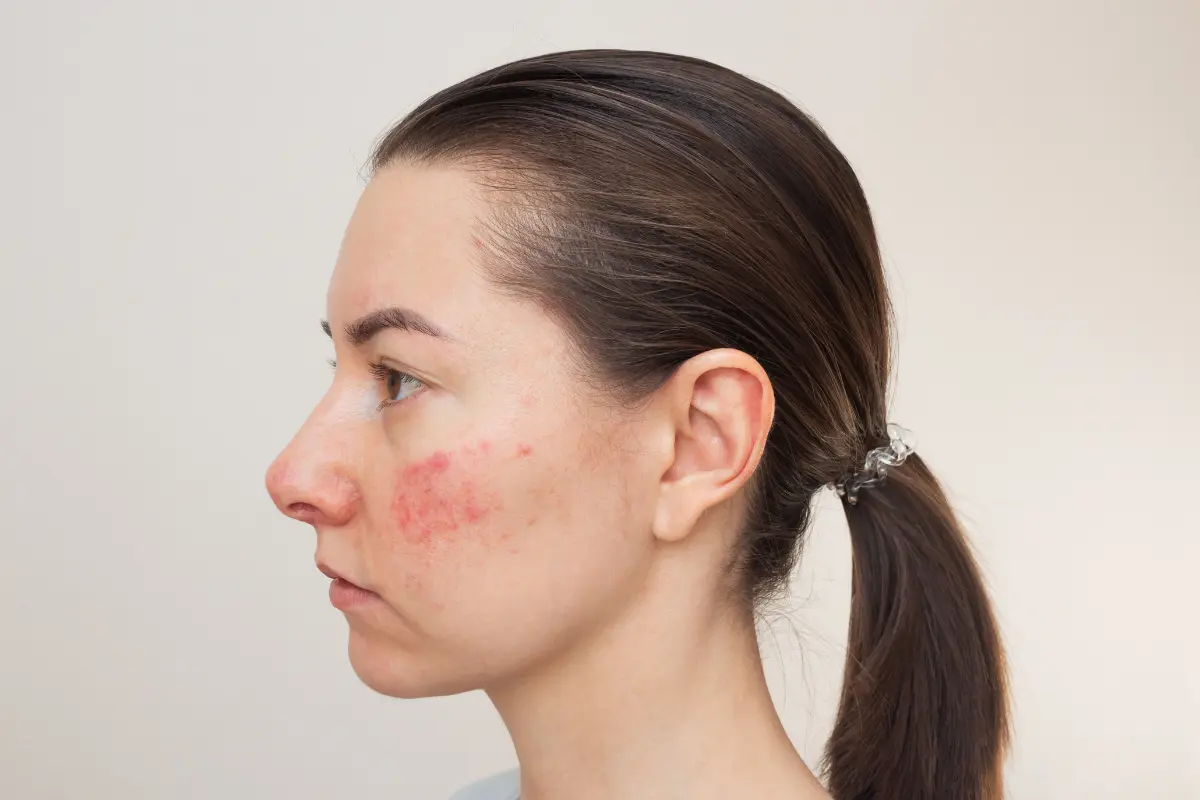
Table of Contents
Summer was fine. Skin stayed relatively calm with consistent redness but nothing dramatic. Then October arrived, temperatures dropped, and suddenly cheeks are burning, flushing constantly, and looking angrier than they have in months. The products that worked perfectly all summer now seem to make everything worse.
If that sounds familiar, you’re not imagining things. Rosacea doesn’t stay the same year-round.
This chronic condition reacts strongly to environmental changes, and what calms inflammation in July might not work at all in January. Weather shifts, humidity changes, and temperature extremes all play a role, and for many people, so do allergies. A flexible skincare routine for rosacea is often the difference between mild symptoms and months of flare-ups.
At Outer Banks Dermatology, effective rosacea skin treatment starts with understanding how each season affects sensitive skin differently. Here’s how to adjust your routine year-round so redness, irritation, and flushing feel more manageable.
Why Rosacea Flares Change with the Seasons
Rosacea-prone skin is reactive by nature, and seasonal shifts can make that reactivity feel unpredictable. The triggers that cause facial redness and visible blood vessels don’t disappear, but they change in intensity depending on the time of year. That’s why your skin can feel calm in one season and suddenly flare the next.
Winter brings harsh, dry air and indoor heating that strip moisture and weaken the skin barrier, while rapid temperature changes can trigger flushing fast. Spring often combines rosacea and seasonal allergies, where pollen and environmental allergens increase histamine responses and lead to more irritation from rubbing and sensitivity. Summer heat, UV exposure, and humidity add another layer of inflammation, and fall’s unpredictable weather and returning allergens can keep flare-ups active, which is why one routine rarely works perfectly all year.
The Benefits of Rosacea Treatment (Beyond Just Less Redness)
Rosacea redness on the cheeks can be physically uncomfortable, but it can also be emotionally exhausting. It affects confidence, makeup routines, and even simple things like walking outside on a windy day.
The right treatment plan can help you:
- Reduce daily redness and flushing: The most noticeable improvement for many patients is more stable skin tone. Rosacea redness treatment helps reduce the intensity of flare-ups, so your skin looks more even day to day.
- Minimize visible blood vessels: For people with broken capillaries or visible vessels, laser-based options can help reduce how noticeable they are.
- Soothe burning and irritation: Many people describe rosacea as a stinging or hot sensation, especially during flare-ups. Professional care focuses on calming inflammation and supporting the skin barrier.
- Prevent flare-ups from spiraling: Seasonal triggers are hard to avoid completely, but treatment can reduce how reactive your skin is, so flare-ups are shorter and less intense.
- Support long-term skin health: Rosacea is chronic, but that doesn’t mean it has to keep worsening. Consistent care helps prevent progression and keeps your skin more resilient.
Who This Is Best For
Rosacea treatment is a great option for people who feel like their skin is constantly reacting, especially when the seasons change.
You may be a good candidate if you:
- Have persistent facial redness or flushing
- Notice flare-ups from heat, wind, sun, or cold
- Feel stinging, burning, or sensitivity from products
- Have visible blood vessels on your cheeks or nose
- Have tried over-the-counter products with little improvement
- Want professional support instead of trial-and-error
If you’re searching for Rosacea Treatment in NAGS HEAD, NC, contact Outer Banks Dermatology for professional care that can help you identify what type of rosacea you have and what combination of treatments makes the most sense for your skin.
What Year-Round Rosacea Management Looks Like
A year-round rosacea plan starts with understanding your personal triggers in each season. Keeping a simple log of flare-ups alongside weather changes, activities, and products can reveal patterns faster than guessing. Once you know what sets your skin off, it’s much easier to adjust your routine without overcorrecting.
Professional care provides the foundation, and it can include laser therapy for visible blood vessels, soothing facials for sensitive skin, and prescription topicals to calm inflammation. Product changes should happen gradually, like swapping heavy winter moisturizers for lighter summer hydration or adding barrier support during dry months. No matter the season, consistency is still the most important part, which means gentle cleansing, daily sunscreen, and avoiding harsh scrubs or hot water when your skin is already irritated.
Topical and Prescription Options That Support Seasonal Control
A lot of patients ask about the best prescription treatment for rosacea, and the truth is, it depends on your symptoms. Some people need help with redness and flushing. Others deal more with bumps, irritation, or visible vessels. A dermatologist may recommend a topical treatment for rosacea to help reduce inflammation and calm flare-ups.
These treatments can be especially helpful during seasonal transitions, when skin is more reactive. The best results often come from combining daily skincare with professional treatments. That way, you’re treating both the surface symptoms and the underlying inflammation that keeps rosacea active.
Season-Specific Routine Tips That Actually Help
Winter skincare for rosacea
Winter skincare for rosacea should focus on barrier repair and moisture retention.
This is a good time to:
- Use a creamy cleanser instead of foaming
- Apply moisturizer while skin is still slightly damp
- Add a barrier-supporting product if dryness is severe
- Avoid long hot showers that trigger flushing
- Protect your face from wind exposure
Spring flare-up control
Spring is where Rosacea and seasonal allergies can trigger frequent flare-ups.
Helpful adjustments include:
- Washing your face after outdoor time
- Avoiding heavily fragranced products
- Using calming ingredients instead of exfoliating acids
- Staying consistent with gentle hydration
Summer trigger prevention
In summer, sun protection is non-negotiable.
Focus on:
- Daily mineral sunscreen
- Lightweight hydration that won’t feel heavy
- Avoiding heat exposure when possible
- Cooling skin after sweating
Fall transitions
Fall is the season where many people need to slowly rebuild moisture while avoiding heavy products too soon.
This is a good time to:
- Gradually increase hydration
- Start barrier repair before winter hits
- Avoid adding new actives too quickly
Take Control Through Every Season
Managing rosacea means recognizing that skin needs change as the environment changes. What soothes irritation in summer might not provide enough protection in winter. What works during mild spring weather might overwhelm skin during humid August.
Our Skilled team will provide professional care, which creates a stable foundation that makes seasonal adjustments easier. Addressing inflammation and visible blood vessels reduces how dramatically skin reacts to temperature shifts, wind, sun, and allergens. From there, smart routine changes help keep symptoms controlled year-round.
Begin your skin healing routine and finally give your rosacea-prone skin the calm, steady support it needs to look clearer, feel comfortable, and stay more balanced through every season.
Schedule a consultation today!